Bali Travel Guide: Everything You Need to Know (2026)
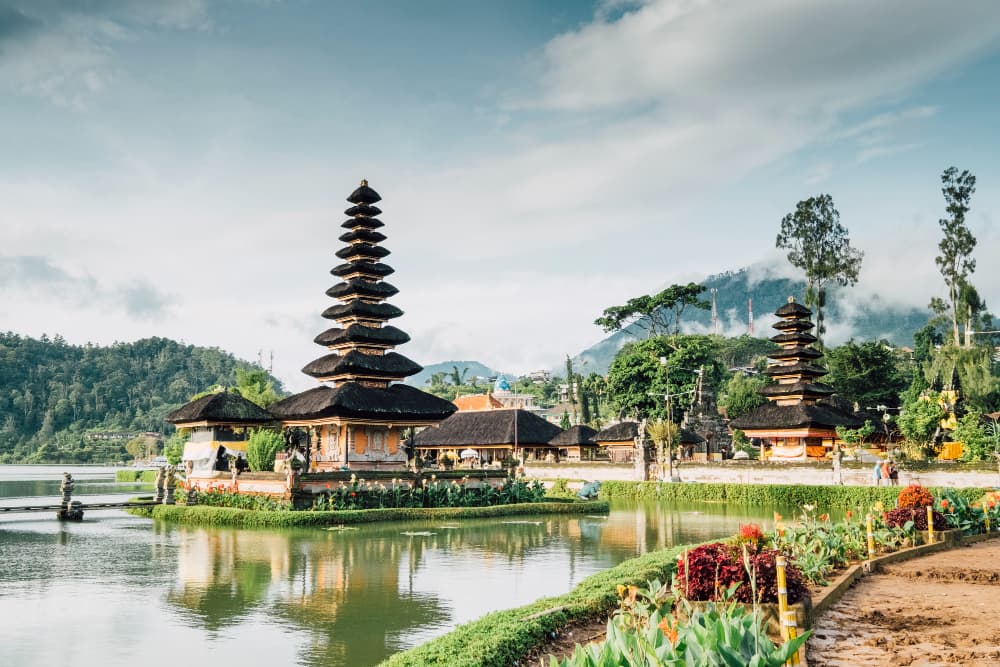
Bali is one of those places that gets described so often it starts to sound like a cliché — until you actually go. The rice terraces, the Hindu temples, the surf beaches, the spa culture, the sunsets over the Indian Ocean. It all turns out to be real. This guide covers everything you need to plan a trip to Bali in 2026.
Best Time to Visit Bali
Bali has two seasons: dry and wet.
Dry Season (May–October): The best time to visit. Mornings are clear and sunny, humidity is lower, and rain is rare. May, June, and September are the sweet spot — dry season conditions without the July–August peak crowds and prices.
Wet Season (November–April): Afternoon and evening rains are frequent, especially December–January. Still visitable — rice terraces are at their most vivid green and prices drop significantly — but outdoor activities are less reliable.
Best months overall: May, June, September.
Visa Information
Indonesia's visa policy has become increasingly accessible in recent years.
Visa-free entry (no visa needed):
| Region | Countries |
|---|---|
| Southeast Asia | Singapore, Malaysia, Thailand, Philippines, Brunei, Vietnam, Cambodia, Laos, Myanmar |
| East Asia | Japan, South Korea, Hong Kong, Macau, Taiwan |
| Middle East | Turkey, UAE, Qatar, Bahrain, Kuwait, Oman |
| Americas | USA, Canada, Brazil, Argentina, Mexico, Chile, Colombia, Peru |
| Europe | UK, Germany, France, Italy, Spain, Netherlands, Portugal, Sweden, Norway, Switzerland, Austria, Belgium, Denmark, Finland, Greece, Ireland, and most EU countries |
| Oceania | Australia, New Zealand |
Visa on Arrival (available at the airport): Citizens of many other countries can obtain a 30-day visa on arrival at Ngurah Rai International Airport. Fee approximately USD 35.
Important for all visitors: Since February 2024, all international arrivals to Bali must pay a Bali Tourist Tax of IDR 150,000 (approximately USD 9). This can be paid online before arrival via the Love Bali website, or on arrival.
Always verify your specific visa situation with Indonesia's official immigration authority or your nearest Indonesian embassy before travel, as policies are subject to change.
Bali's Regions
Bali is not one place — each area offers a completely different experience. Where you stay shapes your entire trip.
🌿 Ubud — Culture and Calm
Bali's cultural heart. Rice terrace walks, the Sacred Monkey Forest, traditional dance performances, craft workshops, and some of the world's best spa retreats. Ubud is for those who want nature, culture, and a quieter pace rather than beaches and nightlife.
Don't miss: Tegalalang Rice Terraces at sunrise, Tirta Empul Temple's sacred water ritual, evening Kecak dance performance.
🐒 Ubud Monkey Forest
A sacred forest sanctuary in the middle of Ubud, home to over 700 long-tailed macaque monkeys and three ancient Hindu temples. The monkeys are completely unafraid of humans — entertaining and occasionally alarming. Go early for the best experience and fewest crowds.
Practical tips: Remove sunglasses, earrings, and anything shiny — the monkeys will take them. Don't carry visible food. Don't make direct eye contact, as the monkeys read it as aggression. Entry approximately IDR 80,000 (~USD 5).
🦁 Bali Zoo
Located near Ubud in Singapadu village. Not a standard zoo — it offers interactive experiences including breakfast with orangutans, night safari, and photo sessions with various animals. Particularly good for families. Book the orangutan breakfast well in advance as it sells out.
💧 Bali's Waterfalls
Bali has dozens of waterfalls scattered across the island. A few that are worth the effort:
Tegenungan: The most accessible from Ubud. 20 metres high, swimmable pool at the base. Go early — it fills up by mid-morning.
Tukad Cepung: Bali's most magical waterfall. Inside a narrow canyon, sunlight filters through the water creating extraordinary light effects. Requires some scrambling over rocks but completely worth it.
Sekumpul: Widely considered Bali's most beautiful waterfall — actually seven waterfalls close together. Located in north Bali, about 90 minutes from Ubud. Set aside a full day.
Gitgit: A convenient stop on the northern route, easier to reach than Sekumpul.
🛕 Tanah Lot Temple
Bali's most iconic image — a 16th-century Hindu temple built on a rock formation in the sea. At high tide it becomes an island; at low tide you can walk across to the base (though tourists cannot enter). Sunset at Tanah Lot, with the temple silhouetted against an orange sky and waves crashing against the rocks, is one of Bali's defining experiences. Arrive at least an hour before sunset to get a good spot.
⛩️ Lempuyang Temple — Gates of Heaven
In east Bali, at the foot of Mount Lempuyang. The split gate framing Mount Agung beyond it is one of Bali's most photographed images. Note: the "reflection pool" in many photos is actually a mirror held by a photographer for a fee — no pool exists. Queues for photos can stretch to hours; go at opening time. Sarong rental required at entry.
🌊 Tirta Gangga — Water Palace
Close to Lempuyang, easily combined in the same day. A royal water palace rebuilt after volcanic destruction in 1948. The pool labyrinth decorated with carved stone figures, walkways over water, and Koi fish feeding are all worth the visit. Calm, beautiful, and less crowded than Ubud's main attractions.
🏖️ Seminyak and Kuta — Beach and Nightlife
Bali's most developed tourist strip. Seminyak has high-end boutiques, ocean-view restaurants, and a more grown-up atmosphere. Kuta is louder, younger, and more budget-friendly. Both offer long stretches of beach, consistent surf, and sunset views. Seminyak's sunsets from a beach club or rooftop bar are hard to beat.
🌊 Canggu — Surf and Cafe Culture
The fastest-changing part of Bali. Surf, yoga studios, excellent cafes, and a large community of remote workers and long-term travellers. Echo Beach for surfing, the surrounding streets for coffee, smoothie bowls, and coworking spaces. Less frenetic than Seminyak, more interesting than Kuta.
🛕 Uluwatu — Cliffs and Temple
At the southern tip of Bali's Bukit Peninsula, Uluwatu Temple sits on a clifftop 70 metres above the Indian Ocean. The views are extraordinary. Every evening, a Kecak fire dance performance is held at the cliff edge at sunset — dramatic setting, worth attending. Uluwatu's beaches (Padang Padang, Bingin) are world-class surf spots.
🏝️ Nusa Penida — Bali's Wild Neighbour
A small island 45 minutes by fast boat from Sanur. Dramatically different from Bali — raw, rugged, and far less developed. Kelingking Beach's T-Rex shaped cliffside, Crystal Bay's clear water, and Broken Beach's natural arch are among the most photographed spots in all of Indonesia. Allow at least two full days.
🏄 Surfing
Bali is one of the world's great surf destinations. If you don't surf, it's an excellent place to learn — lessons are widely available and affordable.
- Kuta: Best for beginners. Long, gentle waves and plenty of instructors.
- Canggu: Good for beginners and intermediates. Laid-back atmosphere.
- Uluwatu and Padang Padang: For experienced surfers. Powerful reef breaks.
🌅 Bali Swing
Long-rope swings suspended over rice terraces or jungle valleys — Bali's most popular Instagram activity. Genuinely fun in person. Multiple swing setups around the Tegalalang area. You're secured with a harness; if you're comfortable with heights, it's worth doing.
🌋 Mount Batur — Sunrise Hike
Bali's active volcano at 1,717 metres. The classic activity: leave at 2–3am, hike up in the dark with a headlamp, reach the summit by sunrise and watch the light spread across Bali with clouds below your feet and Mount Agung in the distance. Guided tours required — many operators offer hotel pickup included. Moderate difficulty; proper walking shoes essential.
🍹 Beach Clubs and Sunset Bars
Watching the sunset is the main event of any day in Bali. By late afternoon, everyone migrates to a beach club with a view. Infinity pools facing the ocean, good music, and cocktails in hand — it's difficult to describe how well Bali does this.
Standout options: - Single Fin (Uluwatu): Clifftop bar over the ocean — Bali's most famous sunset spot. - The Lawn (Canggu): Relaxed, beautiful, popular with the surf crowd. - Finns Beach Club (Canggu): Large, organised, pool-focused. - Potato Head (Seminyak): Design-led, iconic, on the beach.
What to Eat in Bali
Must-Try Dishes
Nasi Goreng: Indonesia's national dish — fried rice with egg and various accompaniments. Available everywhere, reliably good.
Mie Goreng: The noodle version of nasi goreng. Eaten at any time of day, including breakfast.
Babi Guling: Balinese spit-roasted pork, slow-cooked with a spice paste. Ubud has restaurants dedicated to it — one lunch here is mandatory.
Bebek Betutu: Duck marinated in spices and slow-cooked for hours. Bali's most ceremonial dish. May require advance ordering.
Satay (Sate): Skewered grilled meat with peanut sauce. The quintessential Balinese street food.
Gado-Gado: Vegetables in peanut sauce — the best vegetarian option on any Indonesian menu.
Lawar: A Balinese mixed salad of meat, vegetables, and grated coconut. Traditional and specific to Bali.
Where to Eat
For local restaurants, search "warung" on Google Maps in your area — a warung is a small family-run restaurant and usually the most authentic and affordable option. Ubud's Pasar Ubud morning market opens from 6am for local breakfast. Seminyak and Canggu have outstanding international dining, from wood-fired pizza to Japanese omakase. Convenience store food (Indomaret, Alfamart) is a reliable cheap backup.
What to Buy in Bali
Crafts and Homewares: Carved wooden figures, silver jewellery, hand-painted fabrics, rattan baskets — Ubud's markets are the best source. Sukawati Art Market (further south of Ubud) has the widest range at the lowest prices. Bargaining is expected.
Batik and Sarong: Colourful traditional fabric worn across Indonesia. Practical for temple visits (required) and makes a lightweight souvenir.
Natural Cosmetics: Coconut oil, frangipani soaps, essential oils — Bali's spa culture extends to its cosmetic products. Organic shops in Seminyak and Ubud carry high-quality products.
Coffee: Kintamani coffee from Bali's highlands is light and slightly fruity. Kopi Luwak (civet coffee) is available everywhere — if buying, choose ethically sourced producers.
Clothing: Seminyak and Canggu have excellent clothing shops — mostly Australian-owned, contemporary design at reasonable prices. Second-hand and vintage shops in Harajuku style can be found in Canggu.
Religious Objects and Art: Ganesh figures, Garuda carvings, traditional frames — meaningful gifts that are genuinely Balinese. Asakusa's equivalent in Bali is Ubud's market strip and the road between Ubud and Tegalalang.
Shopping tip: Prices in Kuta are inflated. Ubud's market and smaller shops near local warungs offer better value. Always compare before buying in heavily tourist areas.
Practical Information
Getting Around
Airport transfers: Ngurah Rai International Airport is 15 minutes from Kuta. Use the official taxi counter inside the terminal — avoid touts outside. Grab works from just outside the airport perimeter.
Within Bali: - Grab/Gojek: Reliable, transparent pricing, essential app. Download before arrival. - Scooter rental: How most of Bali gets around. International driving licence required. Traffic is dense and road rules differ — take care. - Private driver: USD 50–80 for a full day, covers multiple areas. Most convenient for day trips.
Money
Indonesian Rupiah (IDR). Exchange rates: approximately IDR 15,000–16,000 per USD. Avoid airport exchange — rates are poor. Use authorised money changers in city centres. ATMs are everywhere but check for commission fees. Cash is essential at local warungs and markets; larger restaurants and hotels take cards.
Language
Bahasa Indonesia is the official language; Balinese is also spoken locally. In tourist areas, English is widely spoken at restaurants, hotels, and tour operators. Google Translate handles menus and signs well. A few useful words:
- Hello: Halo / Selamat pagi (good morning)
- Thank you: Terima kasih
- How much?: Berapa harganya?
- Delicious: Enak
- Beautiful: Bagus
Cultural Etiquette
Bali is Hindu and religion permeates daily life. A few things to know:
- Temple dress code: Sarong and sash required to enter any temple — available to rent at entrances.
- Canang sari: Small flower and incense offerings placed on the ground throughout the day. Don't step on them.
- Left hand: Considered unclean in Balinese culture — use your right hand when giving or receiving anything.
- Head touching: Don't touch anyone's head, including children.
- Temple behaviour: Quiet, respectful. Don't enter restricted areas.
Internet
Tourist areas (Seminyak, Ubud, Canggu) have good cafe Wi-Fi. But for Nusa Penida, rural temples, waterfalls, and anywhere off the main strip, you'll need your own data connection.
Globy eSIM lets you load a Bali/Indonesia data plan onto your phone before you fly. Land at Ngurah Rai and Grab, Google Maps, and messaging are ready immediately — no SIM card queue, no airport Wi-Fi hunting.
Budget Guide
Bali works for almost every budget.
Food: Local warung meals USD 1–3. Tourist restaurants USD 8–20. Seminyak fine dining USD 40–100+.
Accommodation: Hostels USD 10–20/night. Private pool villa USD 80–200. Luxury resort USD 300+.
Activities: Temple entrances USD 1–3. Kecak dance show USD 10–15. Nusa Penida day tour USD 25–40. Scooter rental USD 8–12/day.
Daily budget: Budget traveller USD 40–60. Mid-range USD 100–150. Luxury USD 300+.
Frequently Asked Questions
Do I need a visa for Bali?
It depends on your nationality. Citizens of many countries — including the USA, UK, EU countries, Australia, Turkey, Japan, South Korea, and others — can enter Indonesia visa-free for up to 30 days. Citizens of many other countries can obtain a visa on arrival at the airport. Check the full list with Indonesia's Directorate General of Immigration before travel. All visitors must pay the Bali Tourist Tax of IDR 150,000 (approximately USD 9).
When is the best time to visit Bali?
May, June, and September offer the best combination of dry weather and manageable crowds. July and August are peak season — busiest and most expensive. The wet season runs November to April; it's not impossible to visit but outdoor activities are less reliable.
How many days do you need in Bali?
7–10 days covers the main highlights. 3 days in Ubud, 2–3 days in Seminyak or Canggu, and 1 day for Nusa Penida as a day trip works well. More time lets you explore north Bali, Mount Batur, and the eastern temples.
Is Bali safe?
Generally yes. Petty theft (bag snatching, pickpocketing) occurs in tourist areas — don't carry valuables visibly. Take care on scooters — Bali's traffic is dense and unpredictable. At temples, follow guide advice and stay in permitted areas.
Is Bali expensive?
Bali is one of Asia's best-value destinations. A mid-range budget of USD 100–150/day covers a private pool villa, good meals, and activities comfortably. Budget travellers can get by on USD 40–60.
What is Bali like in May?
May is one of Bali's best months. The dry season has just begun — mornings are clear and sunny, rice terraces are vivid green, and crowds are far lower than July–August. Prices are also more reasonable than peak season.
Can I swim in the sea in Bali?
Some beaches are swimmable; many are not. Kuta, Seminyak, and Canggu have strong surf and rip currents — swimming is not recommended unless you're confident. Sanur and Nusa Dua have calmer, reef-protected water. Nusa Penida has crystal-clear water but strong currents — always check conditions.
Is Ubud or Seminyak better?
They're completely different experiences. Ubud: rice terraces, temples, jungle, spa, culture. Seminyak: beach, sunset bars, boutique shopping, nightlife. Most visitors enjoy both — 3 nights in Ubud and 2–3 nights in Seminyak or Canggu is a solid split.
How do I get internet in Bali?
Café Wi-Fi is good in tourist areas but unreliable beyond them. The easiest solution is Globy eSIM — load an Indonesia data plan before you fly and you're connected from the moment you land. No airport queue, no SIM card swapping.
Final Thoughts
Bali earns its reputation. The combination of genuinely extraordinary natural landscape, living Hindu culture, world-class food and spa culture, and some of the best sunsets anywhere makes it unlike almost anywhere else. Plan well, choose your base carefully, and give yourself enough time to slow down.
This article is published by the Globy team. Visa and entry requirements vary by nationality and are subject to change — always verify with official sources before travel.